The Neighbourhoods · Toronto · Updated September 2026
Rosedale Luxury Real Estate & Condos
Rosedale, the green spine.
- $911–1,098
- Avg $/sq ft, sold
- 90 days to September 14, 2026
- 33
- Active $3M+
- MLS (TRREB) · Sep 15
- 46
- Avg days on market
- median 27 days
- 5.8
- Months of inventory
- 102 active ÷ 18 sales/mo
Rosedale Luxury Real Estate & Condos
Defined by grand heritage homes, natural ravine topography, and protected streetscapes, Rosedale remains Toronto’s foundational residential enclave — offering historic detached estates alongside an ultra-scarce selection of modern boutique residences.
What you’ll love
- Immediate Ravine Access: Direct access to Chorley Park, Craigleigh Gardens, and valley trails that integrate straight into the residential grid.
- Architectural Permanence: Both North and South Rosedale hold Heritage Conservation District designations. The structural streetscape buyers see today is legally protected, maintaining the integrity of the neighbourhood’s single-family heritage homes for decades to come.
- Property Privacy: Expansive, un-subdivided lots that provide natural privacy barriers uncommon so close to the downtown core.
What not to expect
- Deep Inventory or High-Density Commercial: Rosedale entirely lacks destination retail, high-rise condo towers, or hotels. Condominium stock is genuinely scarce and heavily restricted. Buyers seeking walkable high-street shopping, hotel services, or a deep list of properties to tour generally land five minutes south in Yorkville, or in King West.
Classic Rosedale Landmarks.
The landmarks
Green space
The school run
Getting there
The tables
The last ninety days, on the record.
53 sales closed in Rosedale-Moore Park in the ninety days to September 14, 2026 — an average of $2,245,535 against a median of $1,724,500, at 46 days on market. 102 listings are active as of this writing.
| Detachedthe enclaves | Townhomesthe middle register | Condosthe entry point | All Typesreference | |
|---|---|---|---|---|
| Homes Sold | 25 | 1 | 27 | 53 |
| Average Sold Price | $3,590,935 | $1,998,000 | $1,008,963 | $2,245,535 |
| Median Sold Price | — | $1,998,000 | $845,000 | $1,724,500 |
| Sold Price Range | $1,400,000 – $10,675,000 | $1,998,000 – $1,998,000 | $480,000 – $2,800,000 | $480,000 – $10,675,000 |
| Total Sold Volume | $89,773,377 | $1,998,000 | $27,242,000 | $119,013,377 |
| Avg Days on Market | 40 days | 13 days | 52 days | 46 days |
| Price per Square Foot | — | $999 – $1,332 | $803 – $921 | $911 – $1,098 |
| Active Listings | 40 | 1 | 52 | 102 |
| New Listings This Period | 40 | 1 | 52 | 102 |
Toronto’s historic garden suburb — where grand ravine estates meet permanent urban privacy.
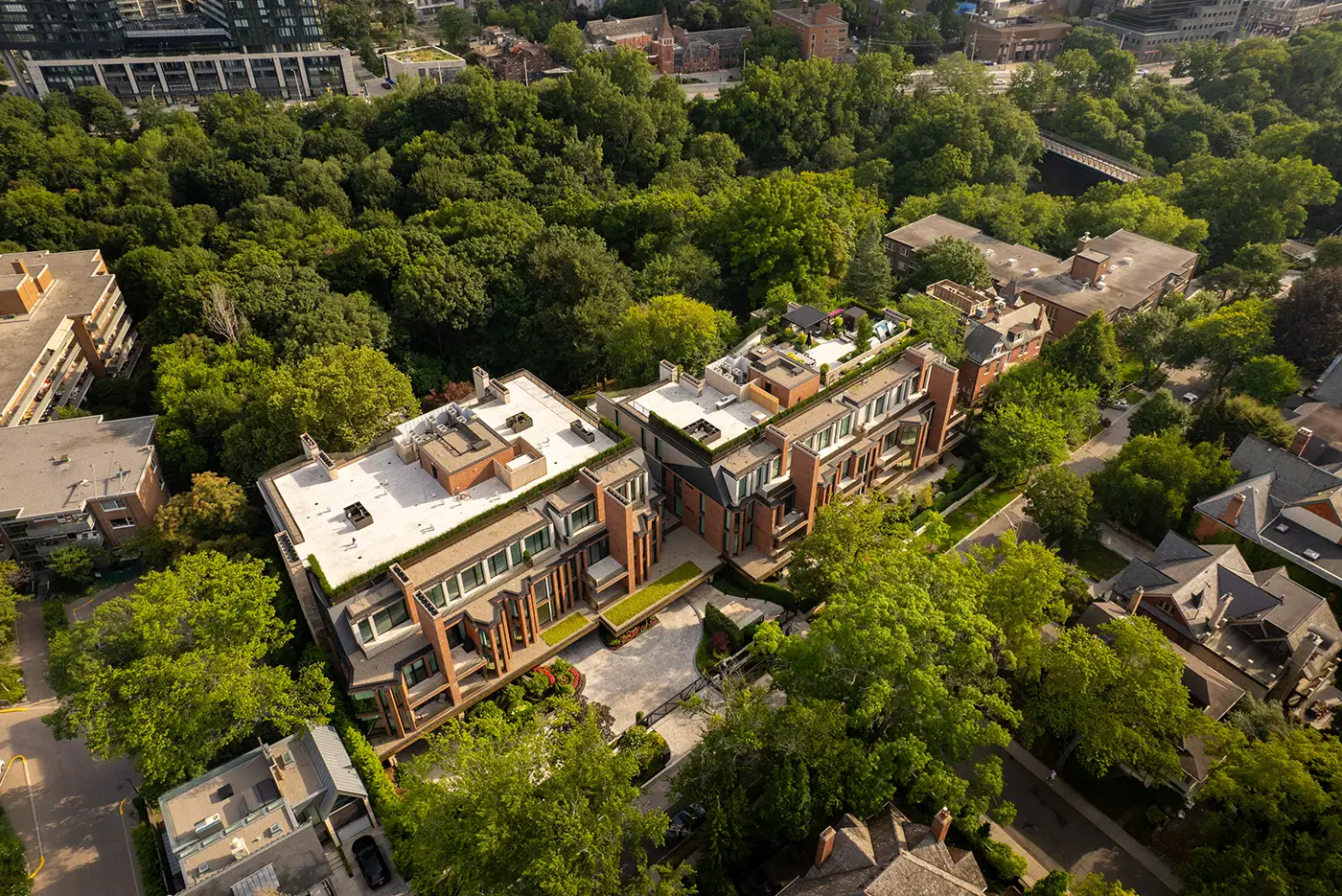
Rosedale is Toronto’s foundational garden suburb, originally subdivided in 1854 just north of the city’s early limits. It has remained a primary address for established residents for over a century. The urban layout follows the contours of the natural ravine systems rather than a standard grid. Properties sit on generous lots that were historically protected from re-subdivision. As a result, modern condominium developments appear rarely, and almost exclusively incorporate existing heritage structures.
The neighbourhood is bounded loosely by Yonge Street to the west, Bayview to the east, the CPR tracks at the south end of the Rosedale Ravine, and Mt. Pleasant Cemetery to the north. Within those boundaries are roughly 1,500 single-family residences, two subway stations (Rosedale on Line 1, Sherbourne on Line 2), two major ravine systems, and a remarkably small inventory of multi-family real estate.
- Subdivided
- 1854
- Toronto’s first garden suburb.
- Residences
- ~1,500
- Single-family, lots never re-subdivided.
- Subway stops
- 2
- Rosedale (Line 1), Sherbourne (Line 2).
- Heritage districts
- 2 of 2
- South 2003, North 2005.
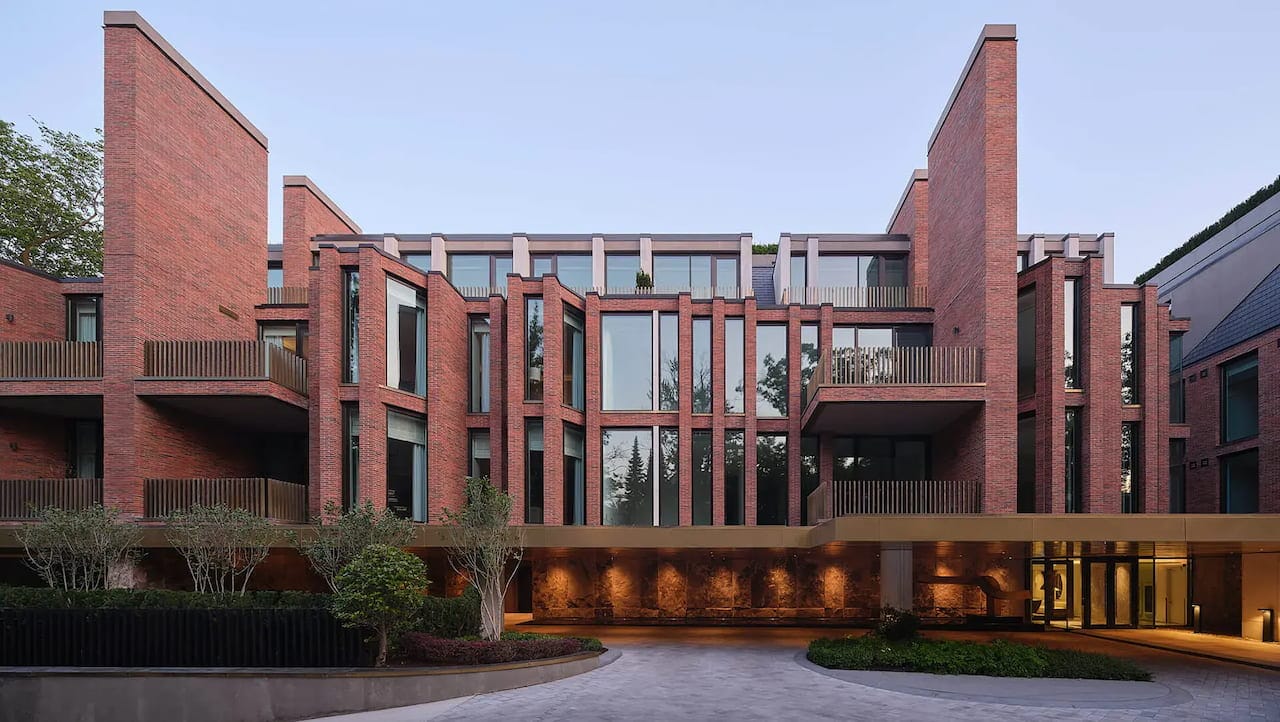
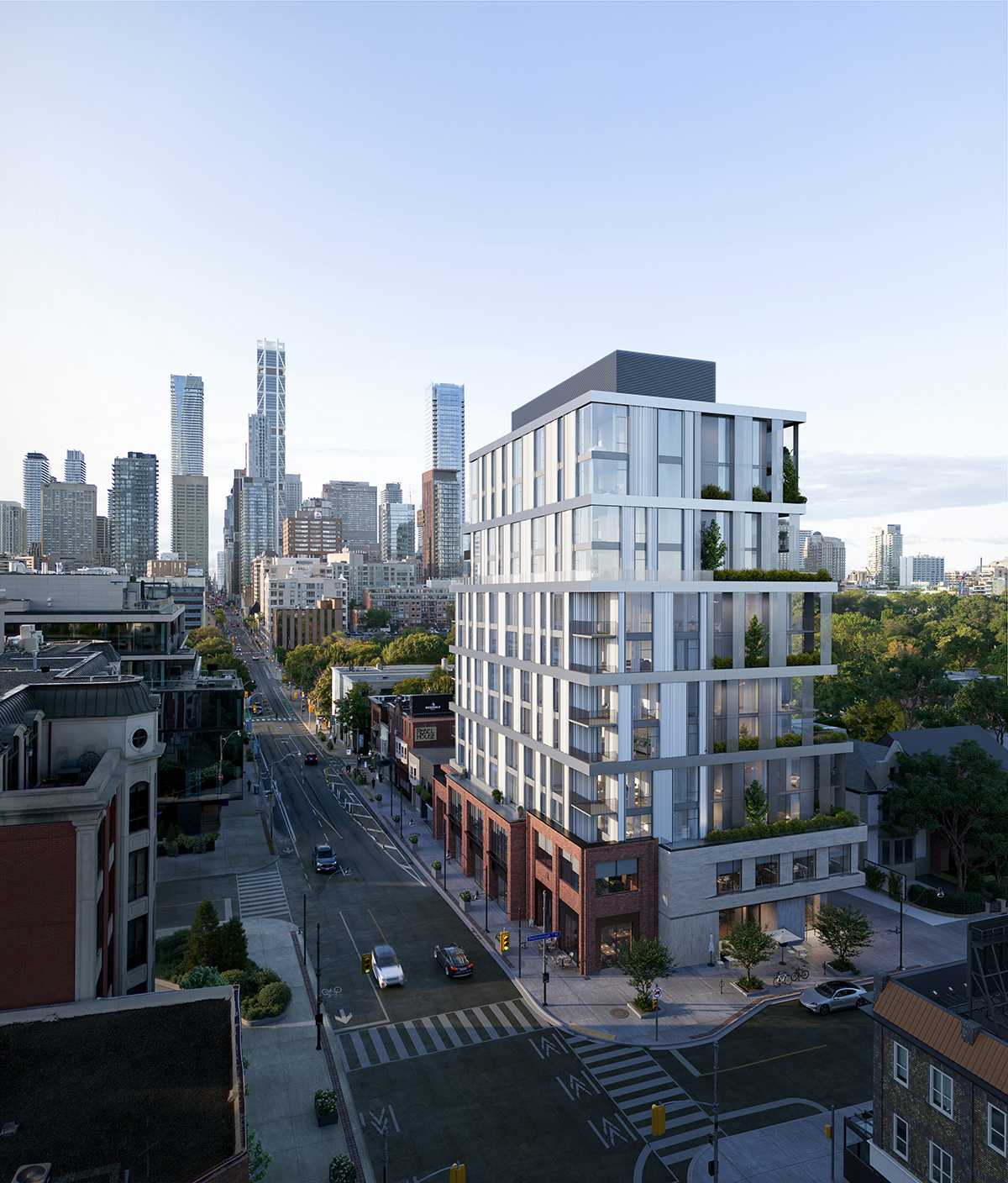
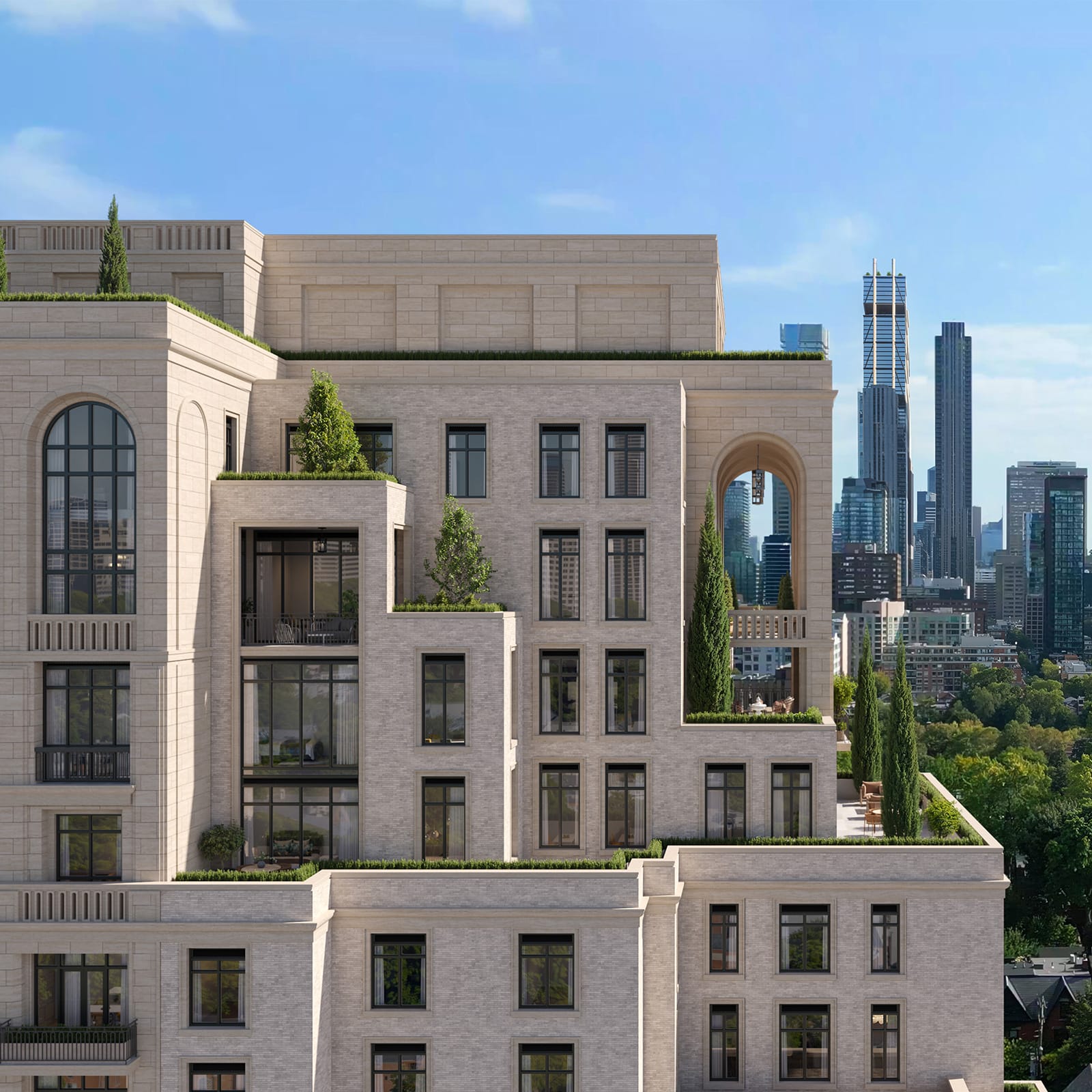
Rosedale’s luxury buildings
Small, varied, and almost entirely heritage conversions or new-builds on a heritage base.
Frequently Asked Questions
About Rosedale real estate.
01What is the difference between Rosedale, Forest Hill, and Yorkville real estate?
While all three represent Toronto’s top-tier luxury markets, they offer distinct residential environments. Rosedale is characterized by its historic charm, expansive ravine settings, and strictly residential zoning. Forest Hill offers quiet prestige with slightly larger lot sizes and stately homes. Yorkville, by contrast, is defined by its energy, sophistication, and high-density luxury urban condominium living situated directly on high-end retail corridors.
02How much does a house cost in Rosedale, Toronto?
Real estate values in Rosedale depend heavily on property type, lot size, and ravine frontage. Well-maintained detached homes typically range from $2.8M to $5M, though custom builds and expansive ravine estates frequently trade well above this threshold. Semi-detached homes offer an entry point to freehold living in the neighbourhood, while the highly restricted condominium market starts in the $3M+ tier.
03Can you tear down or renovate a house in Rosedale?
It is highly restricted. Both North Rosedale and South Rosedale are designated Heritage Conservation Districts (HCDs) under the Ontario Heritage Act. The streetscapes are structurally protected, meaning most modern developments or major renovations must incorporate or preserve existing heritage facades. Buyers should expect a rigorous City of Toronto approval process, including heritage permits, for any exterior alterations visible from the street.
04What is Rosedale known for, and why is it called that?
Rosedale is recognized as Toronto’s foundational affluent neighbourhood, prized for its winding tree-lined streets, privacy, and early-20th-century Georgian, Victorian, and Tudor Revival architecture built between 1860 and 1940. The area’s history dates back to the 1820s; it was named by Mary Jarvis, the wife of Sheriff William Botsford Jarvis, after the profusion of wild roses that grew across their original 110-acre estate.
05Is Rosedale a walkable neighbourhood?
Rosedale is highly walkable for nature access, surrounded by the Moore Park, Park Drive, and Rosedale Valley ravines which feature extensive trail networks. However, because it is strictly residential with no commercial zoning inside its borders, residents generally walk or take a five-minute drive south to the Yonge Street shopping district (Summerhill and Yorkville) for boutiques, cafes, and daily retail.
Neighbourhoods near Rosedale.
Speak with Ryan.
A conversation tailored to your timeline, your tax position, and the Rosedale buildings actually accepting offers.